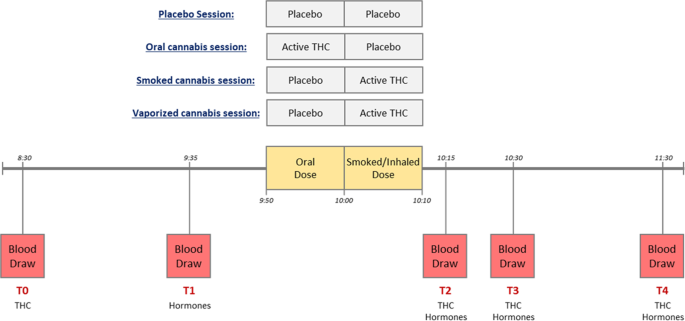
Pharmacokinetics vary significantly between individuals
Managing hydration on GLP-1 treatments Preventative strategies Increase fluid intake to at least 2-3 litres daily (unless contraindicated) Monitor urine colour aim for pale yellow as an indicator of good hydration Establish a regular drinking schedule rather than relying on thirst Use oral rehydration solutions if experiencing significant fluid losses Track daily fluid intake using a dedicated water bottle or app Dietary considerations Consume hydrating foods (fruits, vegetables, soups, broths) Replace electrolytes lost through vomiting or diarrhoea Limit caffeine and alcohol which can worsen dehydration Consider small, frequent sips if nausea makes drinking difficult Include foods with high water content like cucumber, watermelon, and celery Monitoring approaches Weigh yourself regularly rapid weight loss may indicate fluid loss Check for skin turgor by pinching skin on the back of hand

Several key areas have led to litigation involving Novo Nordisk: Failure to warn: Plaintiffs argue that warnings were insufficient or failed to describe the likelihood and seriousness of complications
Individuals under metformin treatment showed positive correlations were found with Bacteroids and Escherichia species and negative associations were obsevered with Ruminocococus and Faecalibacterium even with shorter duration of metformin treatment in Japanese cohort (Li et al., 2021)
Probiotics and synbiotics help balance gut microbiota, which contributes to improved metabolic health